Whether you grind your teeth, clench your jaw, or hold tension in your face, head or neck, it can have a knock-on effect on daily comfort. Lots of people experience problems with the temporomandibular joint (TMJ), and understanding what’s causing your symptoms is an important first step towards finding the right treatment.
While sometimes, the problems can be with the joint itself, other times, it’s with the associated muscles around the TMJ. When these muscles are overactive or tense for prolonged periods, they can contribute to discomfort and pain.
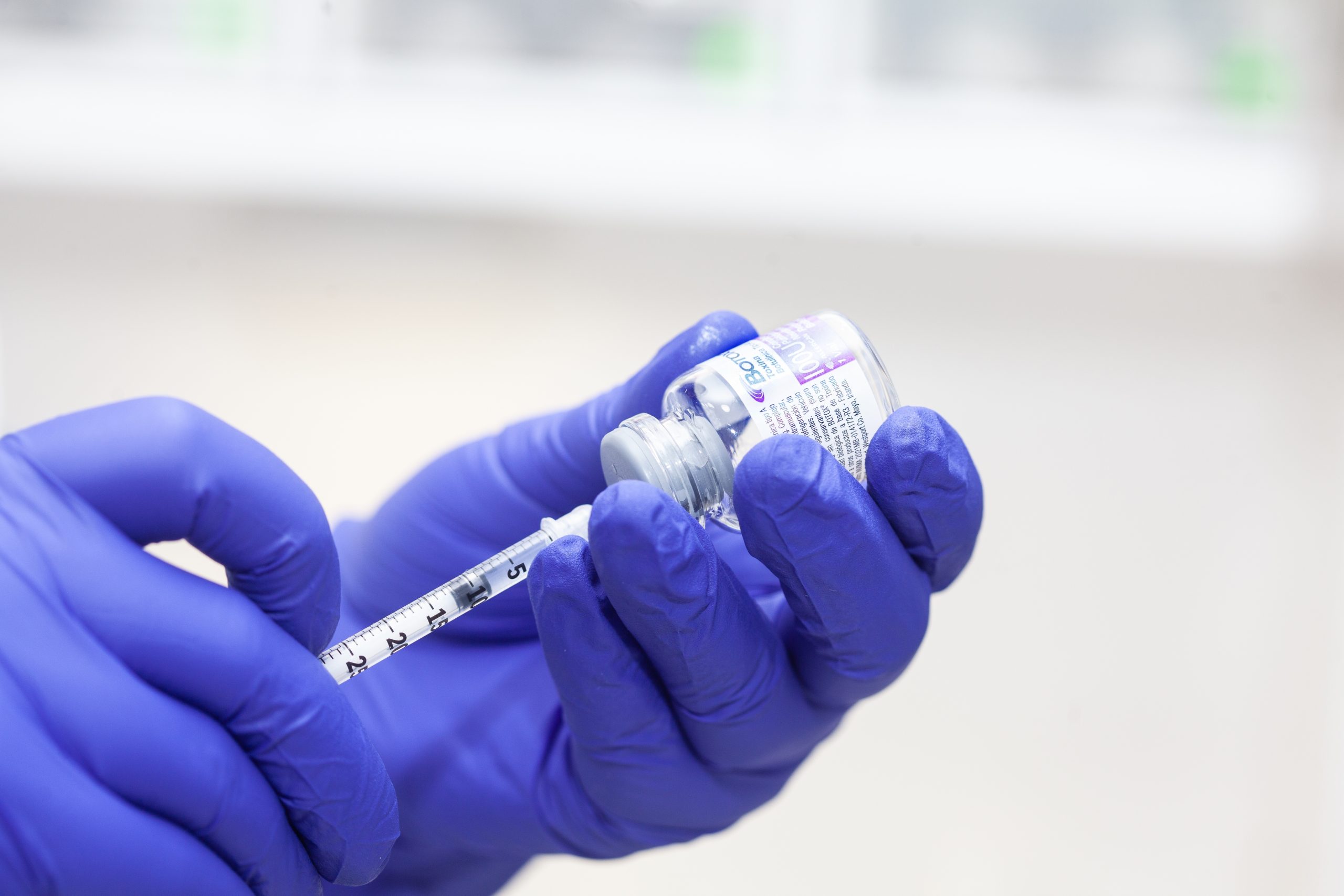
For some patients, Botox® (botulinum toxin) injections might be considered as part of a personalised approach to managing these symptoms. By reducing muscle activity, Botox® can help relieve tension in the muscles around the jaw and reduce associated symptoms. At Elledge Surgical, treatment is considered on an individual basis following an assessment of your symptoms and the factors contributing to your discomfort.
Can Teeth Grinding Cause Jaw Pain and Headaches?
Teeth grinding and habitually clenching can cause myofascial pain and accompanying headaches with relatively little contribution from the TMJ itself. While these movements are a normal part of everyday activities, such as eating and speaking, excessive muscle activity can lead to increased tension.
Ultimately, when the jaw muscles are working harder than they need to, they become tired, tight and uncomfortable. Some patients experience aching and discomfort, and in some cases, neck pain or cervicogenic headaches, with tension in the neck muscles contributing to discomfort. However, jaw pain doesn’t always have the same cause. Some symptoms might be related to the jaw joint itself, while others are linked to the surrounding muscles. This is why a detailed assessment is important before deciding which treatment options are best.
What is Botox® for TMJ Pain?
Botulinum toxin is best known for being used in non-surgical cosmetic treatments to smooth out wrinkles, but it can also be useful for TMJ pain. Injecting Botox® or Dysport® into the muscles that might be contributing to symptoms can reduce excessive muscle activity and relieve tension from overactive jaw muscles.
Rather than focusing on the jaw joint, Botox® injections paralyse the muscles, which can help immensely by relaxing the tension around the joint and offering pain relief. This makes it popular for patients whose symptoms are associated with muscle tension, clenching or grinding.
Typically, botulinum toxin is injected into the masseter and temporalis muscles around the jaw. However, for patients with cervicogenic headaches, it can also be injected into the muscles in the neck, including the sternocleidomastoid and trapezius, to help with tension in these areas. The treatment approach is tailored to each patient, as the muscles involved and the severity of symptoms can vary from one person to another.
How Can Botox® Help With Teeth Grinding and Jaw Clenching?
Many people who grind their teeth or clench their jaw aren’t always aware they’re doing it. Often, it’s something people do while asleep, and their partner will pick up on it before they do. Both teeth grinding and jaw clenching overuse the muscles, resulting in discomfort and aching.
Botox® can help the muscles relax and prevent tension around the jaw. For patients where muscle overactivity contributes to their symptoms, this can help improve overall comfort. At Elledge Surgical, we see a 70-80% resolution in symptoms, with some patients describing it as miraculous for resolving muscular pain and headaches.
Can Botox® Help With TMJ Headaches?
For some patients, regular headaches are connected to muscle tension around the jaw, face and neck. When these muscles remain tight, it can affect more than just the immediate area.
Botox® for TMJ headaches might be recommended when myofascial pain is accompanied by cervicogenic headaches, and the muscles around the joint or in the neck are more of a problem than the TMJ joint itself. By reducing activity in targeted muscles, this type of treatment can help relieve some of these frustrating symptoms.
As headaches can have many different causes, it’s important that symptoms are carefully assessed to understand whether muscle tension might be playing a role.
How Effective is Botox® for TMJ Relief?
The results of Botox® treatment can vary from patient to patient. While some experience limited improvement, many treated by Mr Ross Elledge report significant improvement and relief from symptoms, particularly in reducing clenching, muscular pain, and headaches.
However, botulinum toxin injections aren’t suitable for everyone, and the outcome depends on several factors such as the underlying cause of symptoms, the muscles involved and how an individual responds to treatment. During a consultation, these factors are carefully considered before deciding whether Botox® might be an appropriate option or whether an alternative treatment might be more successful.
What Happens During Botox® Treatment for TMJ Symptoms?
Before treatment, a patient’s symptoms will be assessed to understand what might be contributing to their discomfort. This includes considering whether problems with the TMJ are caused by the joint itself as a result of internal joint derangement or due to degenerative diseases such as arthritis, or whether they’re caused by the muscles around the TMJ.
If Botox® or Dysport® is considered suitable, injections are carefully targeted into the muscles contributing to symptoms. In some cases, treatment might focus on the jaw muscles, while other patients may benefit from addressing tension in surrounding areas, including the neck. The goal isn’t simply to reduce muscle activity, but to create a treatment approach that matches your individual symptoms and concerns.
Botox® and TMJ Surgery: Understanding Your Options
Botulinum toxin injections and TMJ surgery are very different treatment options designed to address different problems. Botox® might be considered where symptoms are linked to muscle overactivity or tension. Whereas surgical treatment might be considered where there are issues affecting the jaw joint itself.
Both TMJ arthroscopy and open TMJ arthroplasty can be effective for treating temporomandibular disorders that can’t be managed with non-surgical treatments. However, not everyone will need surgery and often, significant improvements can be made with treatments such as TMJ physiotherapy and exercises, medication, occlusal appliances, steroid injections, and botulinum toxin injections.
This is why understanding the cause of your symptoms is so important. The most appropriate treatment depends on your individual circumstances, and a specialist assessment can help identify the options that might provide the biggest benefit.
Explore Botox® for TMJ Relief With Elledge Surgical
Living with ongoing jaw pain or headaches can affect your daily comfort and quality of life. For patients where muscle tension contributes to symptoms, Botox® can help reduce excessive muscle activity and relieve symptoms.
At Elledge Surgical, TMJ treatment is carefully tailored to each patient following a detailed assessment. If you’re experiencing symptoms associated with jaw tension, clenching, grinding or muscular pain, a consultation can help determine whether Botox® might be a suitable option for you. Please contact us today to discuss your jaw pain in more detail.