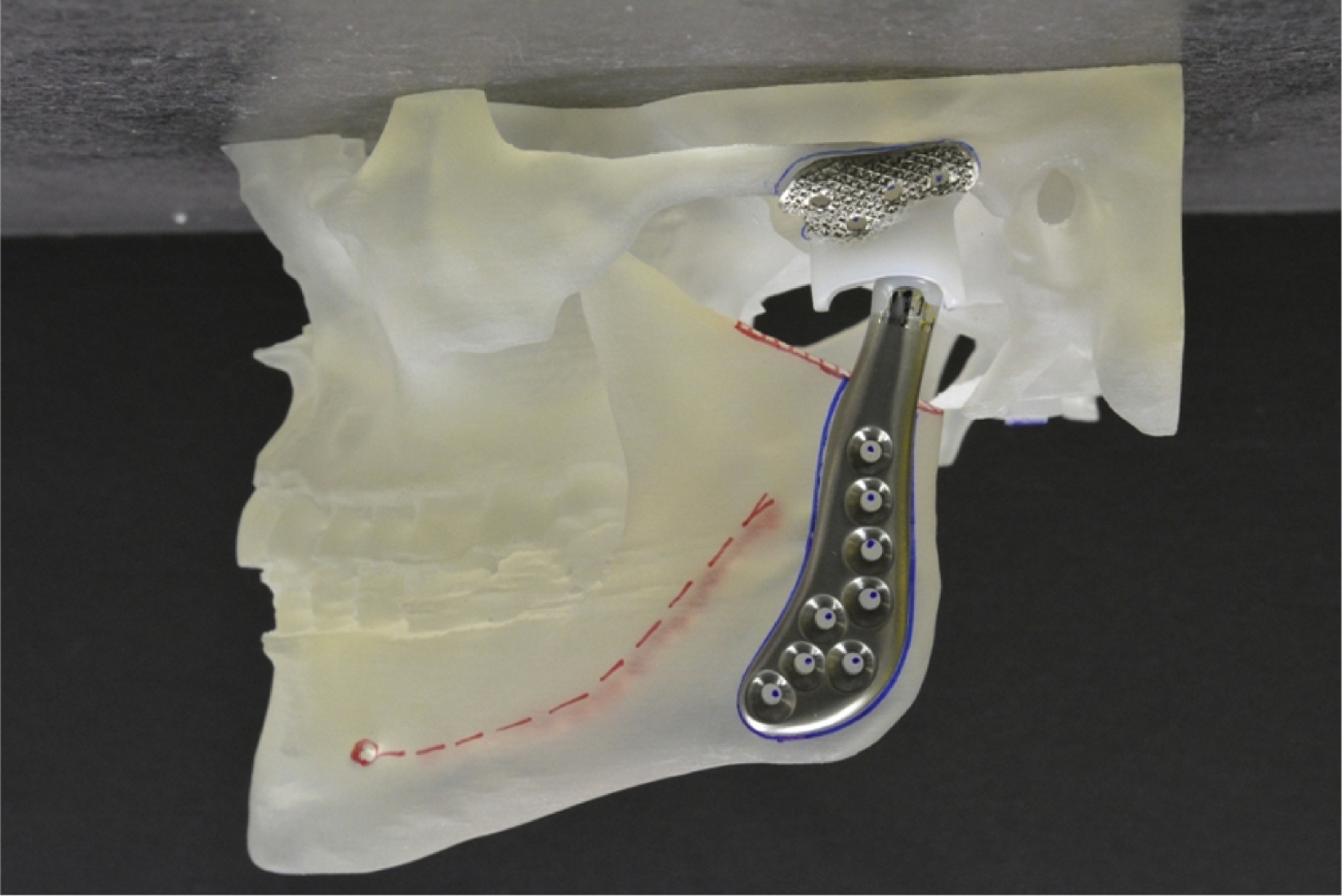
Living with Temporomandibular Joint (TMJ) problems can impact nearly every part of daily life. From speaking to friends to enjoying a meal or even smiling confidently, Temporomandibular Disorders (TMDs) can affect your quality of life. At Elledge Surgical, we see this every day, and it’s why the correct treatment plan can have such a huge impact on the underlying causes of pain. In addition to physiotherapy, splints, and medication, surgical procedures may be required to improve jaw joint function.
Temporomandibular Joint Replacement (TMJR) can be a transformative procedure. It’s often considered when more conservative approaches haven’t provided enough relief, and it involves completely removing the existing joint and replacing it with a prosthetic. The benefits of TMJ replacement go beyond pain relief. They can restore function, improve aesthetics, and allow you to fully enjoy daily activities once again.
Common Problems With the Temporomandibular Joint
Problems with the TMJ and the associated muscles can be incredibly vast. However, they typically fall into one or more of the following categories:
- Muscle-related problems – Often a result of habitual clenching or grinding, this myofascial pain can make even small movements uncomfortable.
- Joint-specific issues – Internal joint derangement can lead to restricted or uneven jaw movements. Degenerative conditions like arthritis also fall into this category, gradually wearing down the joint.
- Psychosocial problems – Stress and anxiety can sometimes add to TMJ problems, creating a cycle which is sometimes referred to as “functional overlay”.
Symptoms can vary from patient to patient but often include jaw pain, limited mouth opening, jaw locking, crunching or clicking noises, and associated headaches. These can make eating, speaking, and smiling not just uncomfortable but emotionally exhausting.
TMJR can be a particularly effective treatment option in end stage joint disease with advanced arthritis where no other treatment is effective. There are very strict criteria for its selection as a treatment modality, which Mr Elledge adheres to rigidly. Replacing the joint entirely in the appropriate patient removes the source of pain and restores smooth movement, which in turn reduces stress on surrounding muscles and alleviates secondary symptoms.
The Transformative Benefits of TMJ Replacement
The most immediate impact of TMJR is pain relief. Even in the early weeks after surgery, patients often report relief once the diseased joint has been removed. Over time, the benefits extend to functional improvements that impact daily life. Here’s what Mr Elledge commonly observes following surgery:
Eating is Easier
One of the most tangible benefits of TMJ replacement is the restoration of comfortable jaw movement. Patients who once struggled to open their mouths or chew certain foods can gradually return to a normal diet. This isn’t just about enjoying food again; it also impacts nutrition and overall health. Being able to eat without fear of pain or jaw locking improves energy levels, digestion, and general well-being.
Speaking With Confidence
A functioning jaw is essential for clear speech. TMJ disorders can make articulation difficult, leading to frustration in social and professional settings. After TMJR, patients often notice that their speech becomes more effortless. They can engage in conversations without feeling self-conscious or experiencing the discomfort they did before. This improvement alone can make a significant difference to confidence and daily interactions.
Smiling Without Worry
Limited movement and constant pain affecting the jaw can make smiling more stressful than enjoyable. TMJR restores both function and natural jaw movement, allowing patients to smile freely again. Mr Elledge often sees the psychological benefits of this, from improved confidence and reduced anxiety about facial expressions to the sense of regaining control of normal life.
What to Expect From the Recovery Process
TMJR is a major procedure, and Mr Elledge ensures every patient knows what to expect before, during, and after surgery. The recovery process is guided by professionals every step of the way to ensure the prosthetic joint is as successful as possible. Post-surgery, Mr Elledge will schedule follow-ups at one week, six weeks, three months, six months, and twelve months, followed by annual reviews up to five years. This ensures progress is monitored carefully and any issues are identified and managed early.
Initially, some swelling and discomfort are normal. As you start physiotherapy with the Therabite® Jaw Motion Rehabilitation System™, many patients experience early improvements in mobility. Sometimes, restoring proper jaw function can uncover underlying muscular tension though, which is managed with supplementary treatments like Dysport®. The goal is a gradual restoration of normal jaw mechanics, allowing you to eat, speak, and smile without limitations.
TMJR Success Rates and Long-Term Results
When discussing surgical options, understanding the success rates of jaw replacements and the long-term outcomes is incredibly important. Clinical studies and Mr Elledge’s own experience show that TMJR has a high success rate, providing durable pain relief and functional improvements. Long-term TMJR results often include:
- Continued reduction in pain
- Increased range of motion
- Enhanced ability to chew and speak naturally
- Improved psychological well-being
Since TMJR is a lifelong investment in your health, the importance of ongoing care shouldn’t be overlooked. Routine check-ups with an oral and maxillofacial surgeon ensure that the new joint is carefully monitored, any new TMJ concerns are addressed, and physiotherapy is adjusted as needed. Ultimately, the goal is to improve quality of life for the foreseeable future.
Why TMJR Can Truly Improve Quality of Life
TMJR isn’t simply about replacing a joint and reducing pain; it’s about taking back control of your life and enjoying everyday activities that were once painful or impossible. Eating without discomfort, speaking clearly in social settings, and smiling without worry all contribute to an improvement in quality of life.
The most rewarding part of this type of surgery is seeing patients regain confidence and go back to living a ‘normal’ life. Many don’t realise just how much TMJ arthritis may have been having an impact on them until they undergo surgery, and if other treatments haven’t yet been successful for you, it’s worth contacting Mr Elledge for a consultation. While surgery isn’t right for everyone, it might be that it can change your life for the better. TMJR addresses not just the mechanical problem in the joint but also the emotional and practical limitations of TMD.
Taking the Next Step With Elledge Surgical
If you’ve been living with chronic jaw pain or dysfunction and are exploring your options, it’s worth discussing whether TMJR could be the right solution. At Elledge Surgical, we are deeply invested in the care of each patient, from initial consultation through recovery and long-term follow-up. We can assess your specific concerns, review the potential benefits of surgery, and design a treatment plan that prioritises your comfort and quality of life.
TMJ replacement benefits can be life-changing, but the journey is just as important as the outcome. With careful planning, expert surgical care, and dedicated follow-up, you will find that eating, speaking, and smiling can once again feel effortless. Get in touch with Mr Elledge today to learn more about the treatment options available.