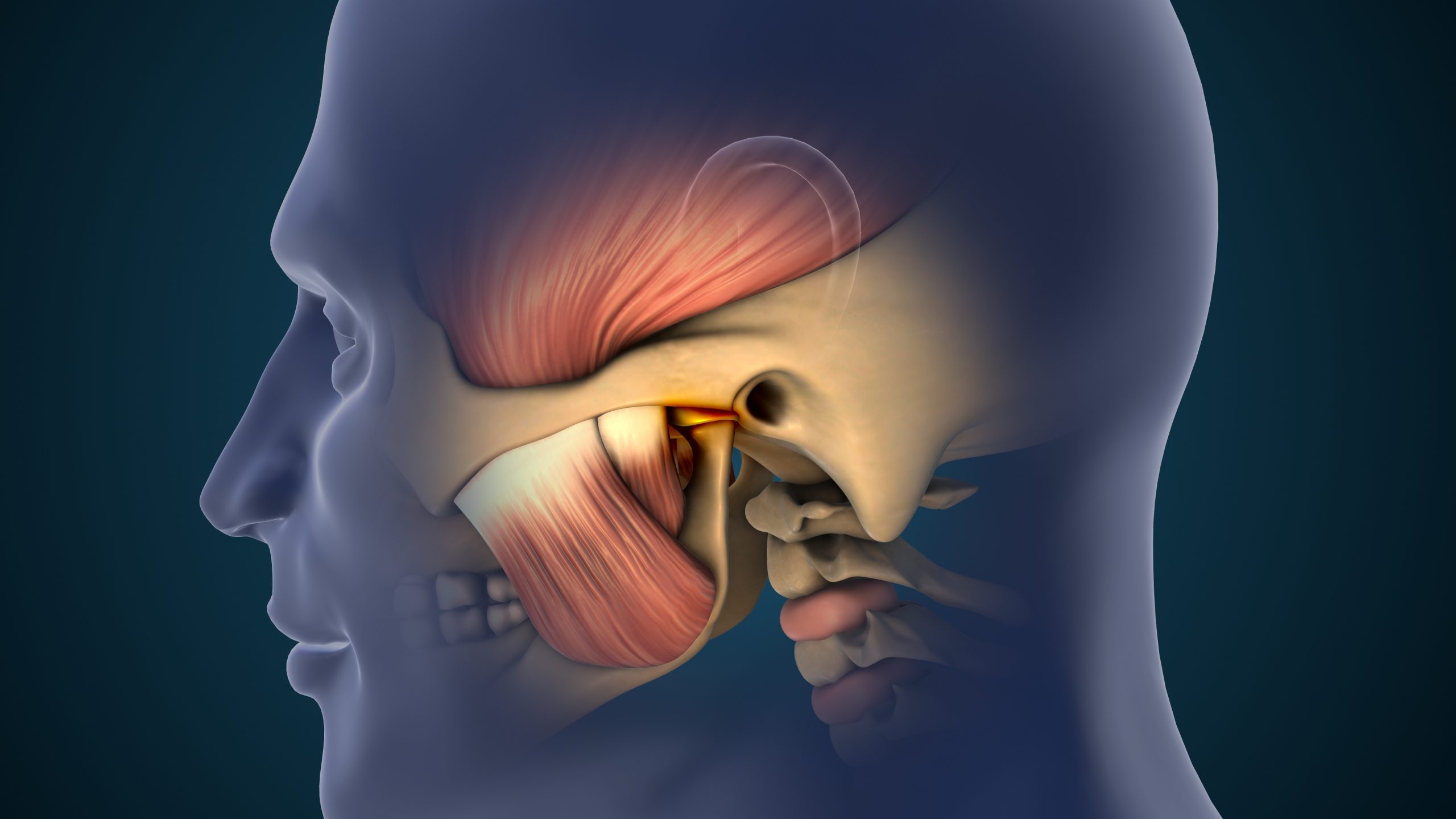
Considering any type of Oral and Maxillofacial Surgery can be incredibly daunting, but it can make a big difference to your quality of life. For the right person, temporomandibular joint (TMJ) arthroscopy can ease pain, improve jaw function, and in some cases, even delay or avoid open joint surgery altogether. As it’s a minimally invasive, day‑case procedure, recovery is often quicker, and scarring is minimal.
While this type of surgery can be beneficial for a range of temporomandibular disorders (TMD), the crucial step is careful assessment. Mr Ross Elledge is deliberately selective, offering TMJ arthroscopy only when it’s genuinely likely to help.
What is TMJ Arthroscopy?
TMJ arthroscopy is a form of keyhole surgery in which a small camera is introduced into the jaw joint through a tiny puncture site in front of the ear. This allows the surgeon to see inside and diagnose as well as treat problems within the jaw joint. Arthroscopic surgery is an innovative solution that has advanced significantly in recent years.
At Elledge Surgical, TMJ arthroscopy is carried out as a day‑case surgery using the Nexus CMF 1.9mm 30-degree arthroscope system. This more advanced kit allows targeted irrigation through the joint and the injection of intra-articular supplements, such as steroid and/or hyaluronic acid. In addition, the system allows arthroscopic surgery whereby actual interventional procedures can be done through this minimally invasive access approach.
Who’s a Good Candidate and When Isn’t it Recommended?
Not everyone with TMJ disorders will need surgery, and some patients are managed successfully with conservative treatments such as physiotherapy, jaw exercises, occlusal appliances, medication and lifestyle measures. TMJ arthroscopy is usually considered when:
- TMJ problems have persisted despite non-surgical care.
- Clinical findings show internal derangement and/or arthritis that are unlikely to resolve without surgery.
Good candidates typically have a range of symptoms, such as significant joint‑related pain, restricted mouth opening or jaw locking, crunching and clicking noises, or headaches that haven’t improved after treatment but don’t yet need open TMJ surgery or complete TMJ replacement. Mr Elledge is clear that surgery is not the first option; if you have mild symptoms or predominantly muscular facial pain without clear joint pathology, he is more likely to recommend other treatments rather than TMJ arthroscopy.
What Results and Success Rates can Patients Expect?
Minimally invasive TMJ procedures, including arthroscopy of the jaw joint, can be incredibly beneficial with minimal downtime and lower complication rates than other surgical treatments. It can significantly improve jaw pain and function, and while there may be some swelling in the first few weeks, within a fortnight, patients can notice a huge difference in quality of life.
Depending on the TMJ problems you’re experiencing, you may need additional treatment or surgery in the future, but for many, TMJ arthroscopy is instrumental in delaying or even avoiding more invasive options.
Outcomes are best when surgery is performed at the right time and by an experienced consultant oral and maxillofacial surgeon. If you’re wondering whether TMJ arthroscopy would be right for you and what success rates you can expect, book an appointment with Mr Elledge today for some tailored advice.
What are the Risks of TMJ Arthroscopy?
Like any operation under general anaesthesia, TMJ arthroscopy has some risks, which your surgeon will explain in detail. However, it’s generally considered a safe procedure with a favourable risk/benefits profile. The entry sites also heal very well, with undetectable scarring in most patients, making it a popular option.
Some common risks include swelling, pain and bruising in the first few weeks after surgery. Less common risks of TMJ arthroscopy include infection, temporary or permanent facial paralysis, sensory alterations, and inadvertent damage to surrounding structures. It’s worth noting that very serious complications are rare, especially in the hands of specialists.
Recovery, Rehabilitation and Realistic Goals
After TMJ arthroscopy, most people can go home the same day. It’s common to experience some discomfort and swelling afterwards, and you will be given advice on pain relief, a soft diet and how much to rest the jaw joint. Gentle jaw exercises and physiotherapy are important for maintaining the improved movement achieved during surgery, and this will be discussed both pre and post-surgery. In terms of what’s realistic, the goals are usually to:
- Reduce day‑to‑day pain.
- Improve jaw function.
- Prevent jaw locking, crunching and grinding.
- In some cases, delay or avoid open arthroplasty or joint replacement.
TMJ arthroscopy isn’t a “quick fix” for every type of jaw pain, and it isn’t recommended for everyone. However, when offered selectively to the right patients and combined with good rehabilitation, it can deliver long‑lasting improvements in quality of life.
So, is TMJ Arthroscopy Worth It?
Whether TMJ arthroscopy is worth it for you depends on factors such as your diagnosis, how much treatment you’ve already tried, the severity of your symptoms and your expectations from surgery. For many people living with persistent TMD, jaw surgery offers an effective option. It’s a minimally invasive, day‑case procedure with high success rates and a lower risk profile than open joint surgery or TMJ replacement surgery.
Mr Elledge’s current self-audit data demonstrates an improvement in average self-rated pain scores from 7.4/10 to 1.8/10 (where 10 is “the worst pain imaginable” and 0 is “no pain at all”), an improvement in average dietary scores from 5.1/10 to 8.2/10 (where 0 is “a liquid diet” and 10 is an unrestricted diet of any consistency), and average mouth opening improvement from 30.4mm to 38.9mm
Mr Elledge is one of only a small number of surgeons in the United Kingdom to provide advanced (operative) TMJ arthroscopy as well as the full spectrum of other Oral and Maxillofacial Surgery, and he is deliberately selective about who he recommends for surgery. If you’re unsure whether TMJ arthroscopy is the right next step, a detailed consultation, examination and review of your imaging will help you understand your options and decide whether the potential benefits outweigh the risks in your particular case.
Get in touch with our team at Elledge Surgical today to learn more about how we can help you.